How much does parking lot striping cost in Cedar Rapids?
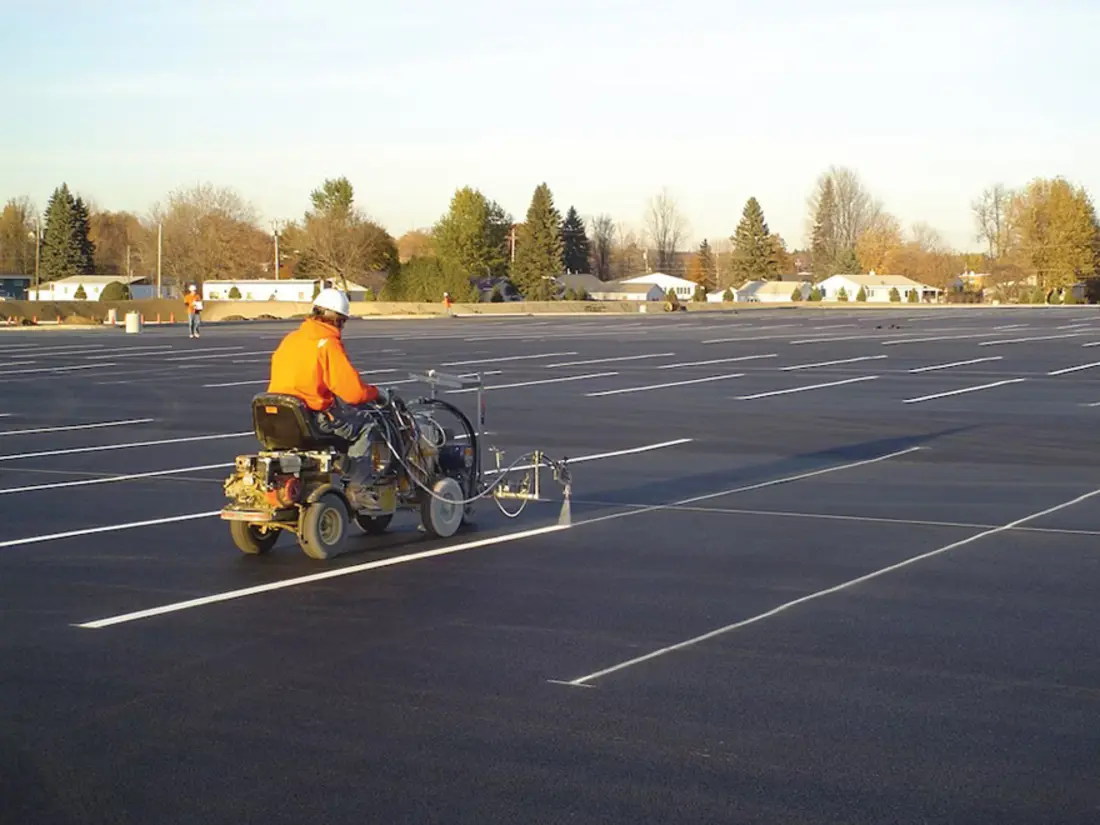
Pricing depends on stall count, layout complexity, ADA spaces, fire lanes, stencil work, surface condition, paint type, and whether the job needs phased, weekend, school-break, or overnight scheduling. Photos and the property address help us prepare a faster estimate.
How often should a Cedar Rapids parking lot be re-striped?
Most commercial lots need restriping every 18 to 36 months. Entrances, stop bars, loading zones, fire lanes, and high-traffic areas may need repainting sooner after snowplow wear, road salt, and freeze-thaw damage.
When is the best time to repaint after winter?
Spring is common once pavement is dry and temperatures are workable. If sealcoating, patching, or asphalt repair is planned, restriping should be scheduled after that work has cured.
Do you provide ADA parking lot striping?
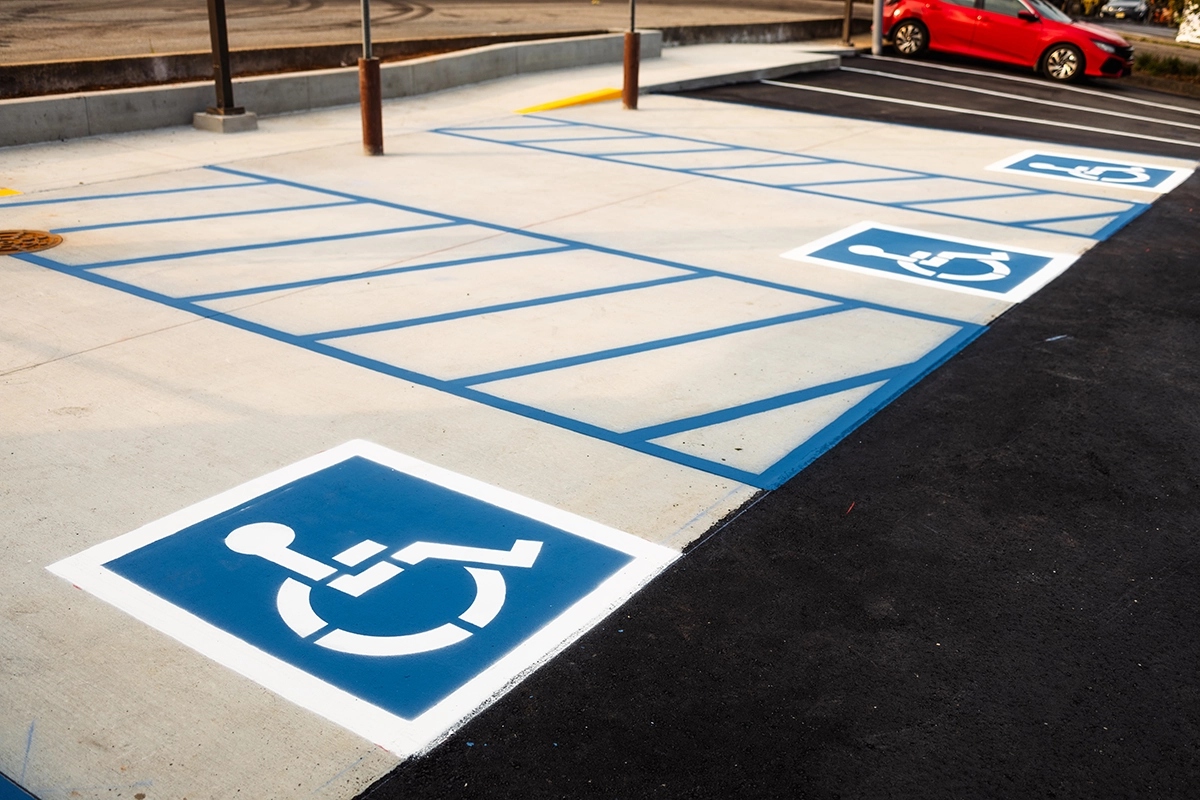
Yes. We stripe accessible stalls, pavement symbols, access aisles, hatch marks, and pedestrian approaches. If a layout needs formal compliance confirmation, final counts, slopes, and dimensions should be reviewed by the property owner, design professional, or local authority.
Can you stripe fire lanes and no-parking areas?
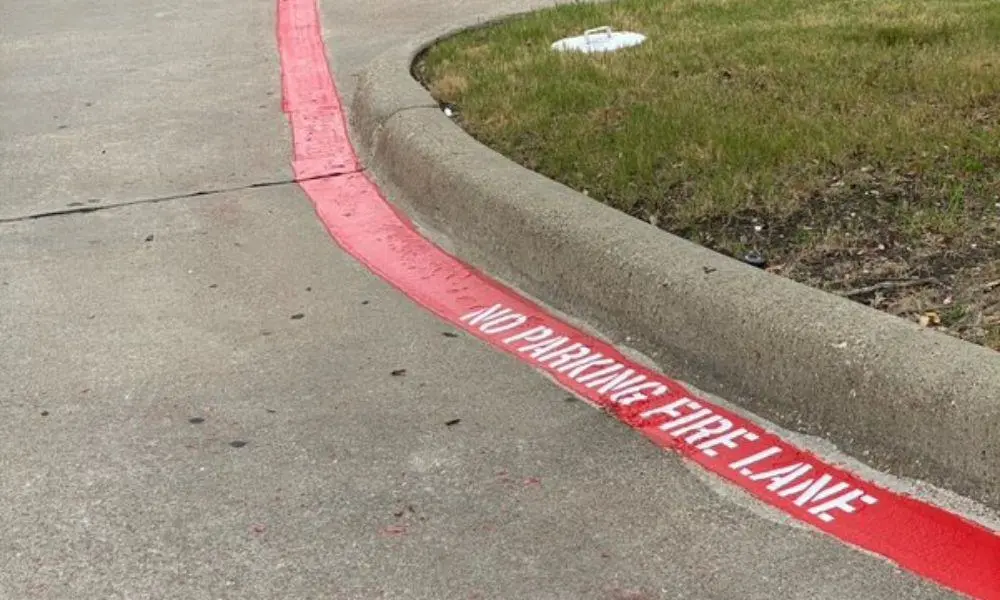
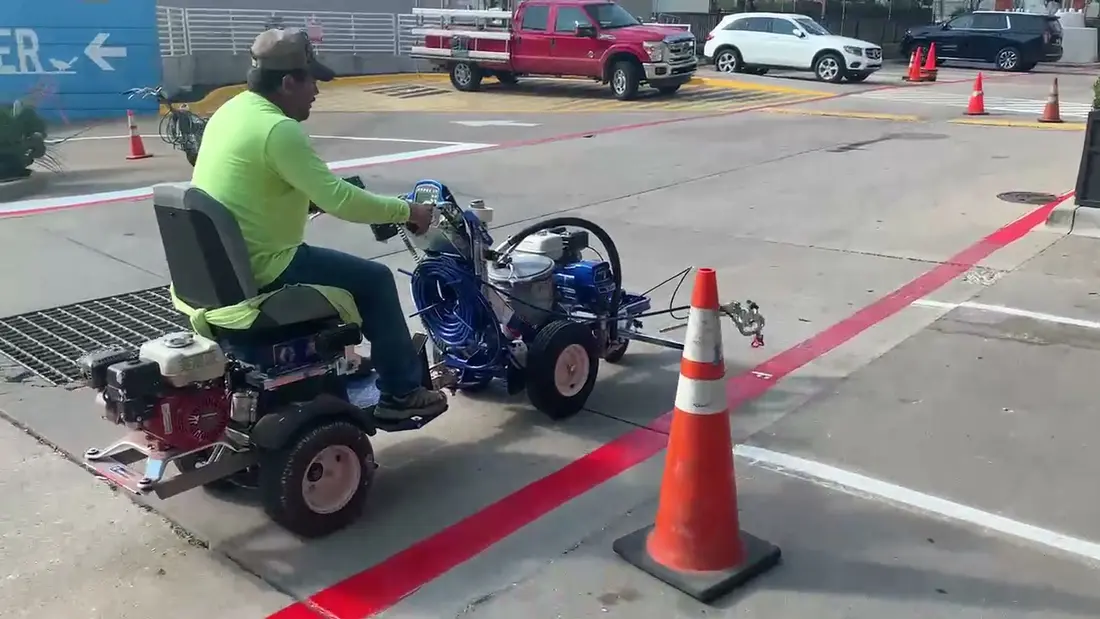
Yes. We paint fire lane lettering, red curbs where required, no-parking stencils, stop bars, and related emergency access markings. Fire lane wording and placement should match the property requirement or local authority direction.
Can you stripe after sealcoating?
Yes. The old layout should be photographed before sealcoating, and the fresh surface needs enough cure time before paint is applied. Cool mornings, shade, moisture, and spring rain can extend the wait.
Do you offer overnight or after-hours striping?
Yes. Retail centers, restaurants, hospitals, apartments, churches, schools, warehouses, and industrial sites often need evening, overnight, weekend, break-period, or phased striping to keep the property usable.
How long does traffic paint take to dry?
Drying depends on pavement temperature, moisture, shade, airflow, paint type, and surface condition. Cold spring mornings and damp pavement can slow curing, so reopening time is based on job-site conditions.
What can delay a striping project?
Rain, wet pavement, cold pavement, fresh sealcoat, parked vehicles, active deliveries, irrigation, unclear access, and heavy tenant traffic can all delay striping. It is better to adjust the schedule than paint over a surface that will not hold a clean line.
Do you stripe warehouse and industrial lots?
Yes. We mark dock approaches, truck routes, stop bars, loading zones, employee parking, pedestrian crossings, trailer areas, and fire lanes. High-turn areas may need heavier paint planning or thermoplastic discussion.
What properties do you work on?
We work with retail centers, apartments, HOAs, warehouses, industrial yards, schools, churches, hospitals, medical offices, restaurants, office parks, and commercial properties across Cedar Rapids and Eastern Iowa.
Do you use thermoplastic markings?
Thermoplastic may be useful for selected high-wear markings such as crosswalks, stop bars, arrows, warehouse traffic points, and heavy pedestrian zones. Standard traffic paint is still the practical option for many stall lines.
Can you repaint numbered stalls and custom stencils?
Yes. We handle parking numbers, reserved parking, no-parking zones, loading zones, directional arrows, fire lane stencils, ADA symbols, stop bars, and other pavement stencil markings when the stencil requirements are clear.
What should I send for a quote?
Send the property address, photos of current markings, approximate stall count, service needed, sealcoating date if applicable, and access limits such as tenant hours, school schedules, delivery times, gates, or parked vehicles.
Do you serve Marion, Hiawatha, Iowa City, and Coralville?
Yes. We serve Cedar Rapids, Linn County, Marion, Hiawatha, Iowa City, Coralville, North Liberty, Waterloo, and nearby Eastern Iowa properties when the project scope and schedule make sense.
Can commercial managers request insurance documentation?
Yes. Insurance documentation can be requested for scheduled commercial work. Vendor paperwork, certificate requirements, and access rules should be discussed before the job is placed on the calendar.